Back in 2020, Adobe Flash reached its end of life after more than 25 years of use in education. At BCIT, that meant over 500 web-based learning applications suddenly became unusable.
The VSM Team led the institute-wide Flash Redevelopment initiative and, through an approved Mid-Year Ask business case, successfully redeveloped 95% of those applications — about 475 applications restored in modern technology for course delivery across BCIT.
Through this large-scale redevelopment, we saw an opportunity to create something more sustainable — two reusable frameworks that could make future multimedia and simulation development more efficient. Over 90% of applications we redeveloped fell under these two categories — simulation and multimedia. By standardizing our approach, we were able to reduce the development time by nearly 80%.
That is how the Kombucha Guide and Learning and Teaching Simulation (LTS) frameworks were born.
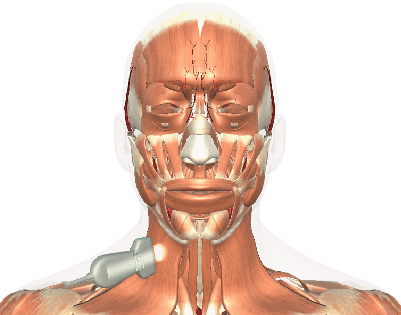
3D Anatomy Models
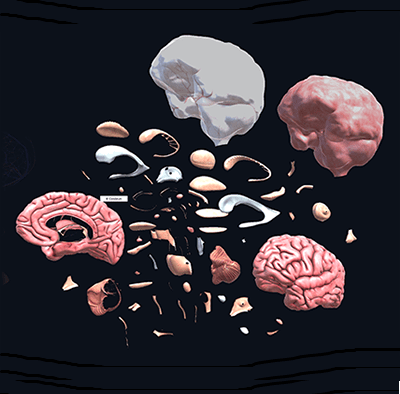
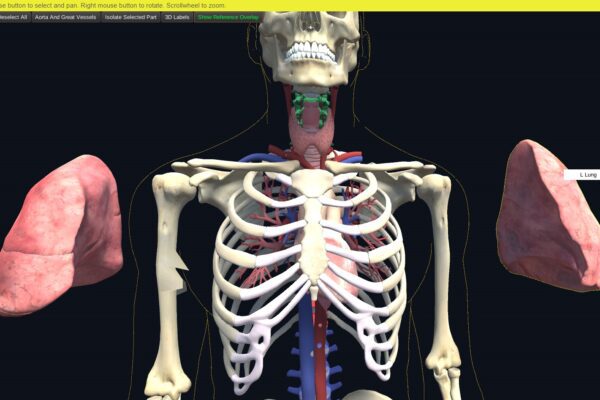
Using Unity web and our own frameworks, we’ve created 3D models that learners can explore using simple mouse controls and UI toggles. Models adapted for the SoHS include the Brain, the Aorta and Great Vessels, and the Carotid Artery.
GM 4L60-E Transmission
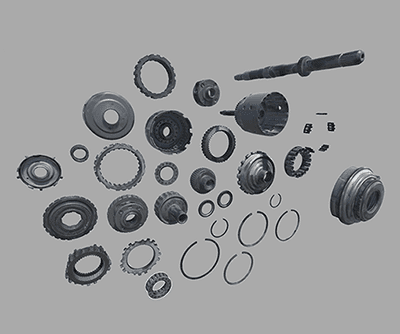
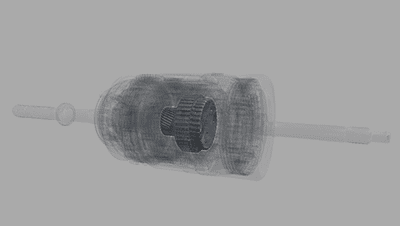
Learners can use this application to disassemble a transmission by using the mouse pointer to drag away the individual components. They can view the transmission module in normal mode and transparent mode. Transparent mode allows them to see through the transmission and select specific parts to view while the transmission is still intact.