Overview
Nuclear medicine uses biological tracers combined with radioactive material to produce images that help diagnose and manage disease. As a specialized branch of non-invasive diagnostic imaging, nuclear medicine stands out for its ability to detect subtle changes in the body’s function, allowing early detection of a wide range of disorders.

About the program
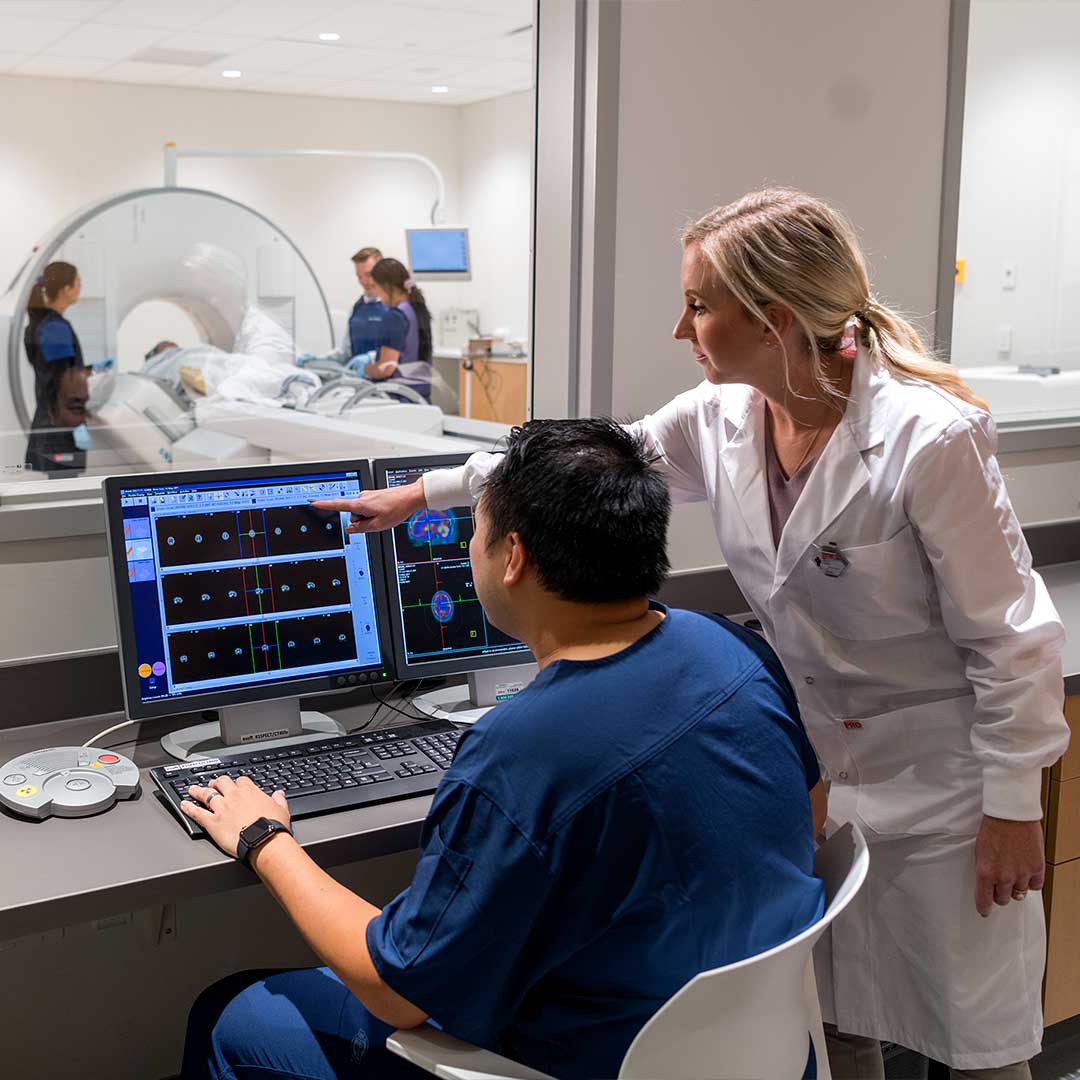
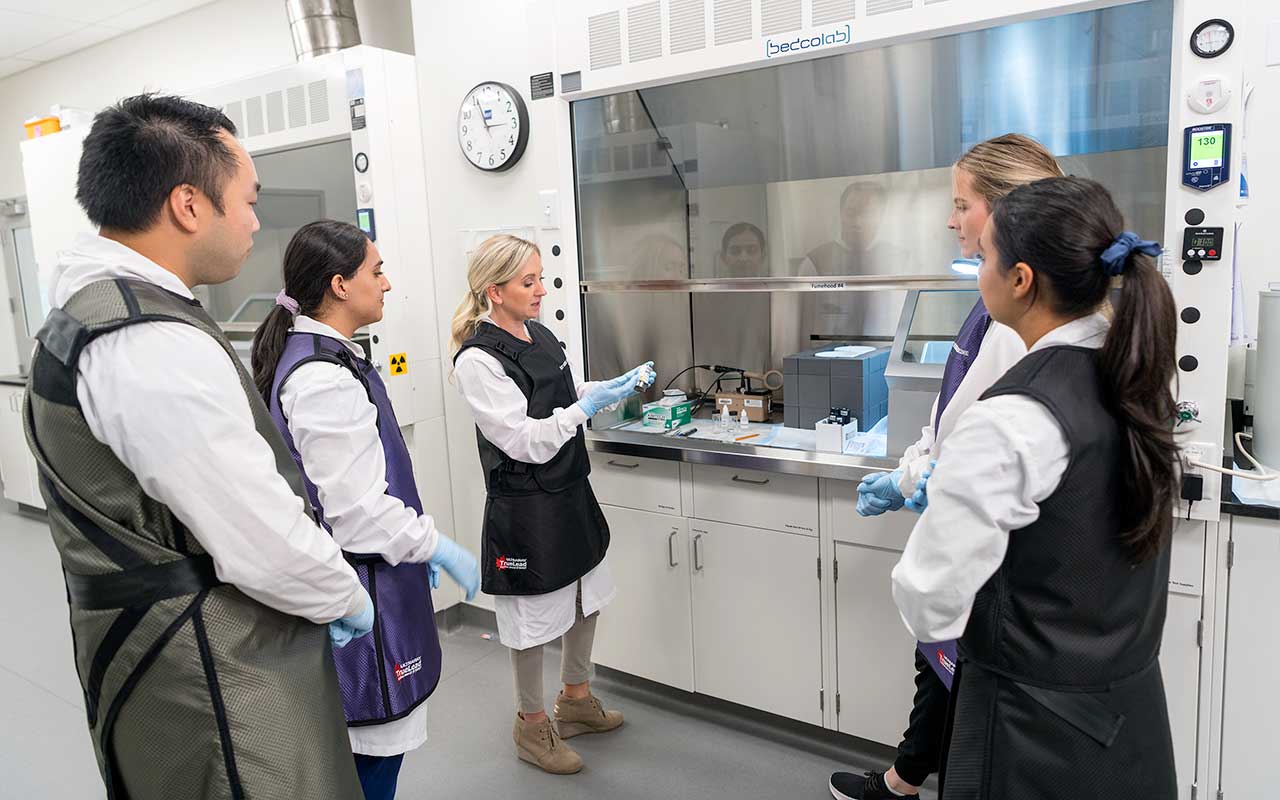
BCIT’s highly regarded Nuclear Medicine Technology program is the only one of its kind in BC. Our quality instructors and in-hospital clinical training prepare students to start their careers the moment they graduate.
- A continuous 24-month full-time diploma program
- On-campus lectures and labs provide the fundamentals of nuclear medicine and patient care
- Clinical experiences at nuclear medicine facilities in BC
To learn more about BCIT’s Nuclear Medicine Diploma program, visit Program Details.
Who it’s for
This program is for individuals who:
- Have a high school diploma or higher level of education
- Have demonstrated a strong aptitude for sciences
- Want to work directly with patients as part of a collaborative healthcare team
- Thrive in an innovative, technical, and caring environment
- Are interested in developing problem-solving and critical thinking skills
- Have manual dexterity to work with sensitive material and equipment
Does this sound like you? See Entrance Requirements to find out if this program is a good fit for you.
What grads can do
Our grads are an integral part of patient care. See Graduating and Jobs to learn what a future in nuclear medicine looks like.
Entrance Requirements
Application processing
Applications are accepted during the following period:
| Opening date | Deadline |
|---|---|
| October 1st* | September 1st* |
*or next business day
Intake may fill before the deadline.
Indigenous applicants: This program is committed to the recruitment and retention of Indigenous applicants. To support applicants, a dedicated Indigenous admissions process was established, and dedicated seat(s) per intake are reserved for Indigenous students.
To be considered under this admission category, applicants must:
- Self-identify as an Indigenous person of Canada on the admission application
- Have successfully completed the program’s entrance requirements.
Our program also works closely with Indigenous services at BCIT to ensure students receive the best possible support and encouragement while in the program. Please visit Indigenous Initiatives for more information on available resources.
Entrance requirements
This program has a two-step admission process. Applicants must meet all entrance requirements and will be accepted on a first-qualified basis as long as space remains.
Step 1: Meet the following entrance requirements
- English language proficiency: Category 1 – English Studies 12 (73%) or equivalent
- Math: one of the following (or equivalent):
- Pre-Calculus 12 (73%) or
- Other acceptable BC and Yukon courses or
- MATH 0001 – Technical Mathematics (73%) or
- MATH 0120 – Math 12 Competency Test (73%) or
- 3.0 credits post-secondary math (linear algebra, pre-calculus or calculus) at 100 level or higher (73%) from a recognized institution
- Biology: one of the following (or equivalent):
- Anatomy and Physiology 12 (73%) or
- Other acceptable BC and Yukon courses or
- BHSC 0110 – Foundational Human Anatomy and Physiology (73%) or
- BHSC 0100 – Human Biology (73%) or
- BHSC 0012 – Biology 12 Challenge Exam (73%) or
- 3.0 credits of post-secondary human biology (73%) from a recognized institution
- Chemistry: one of the following (or equivalent)
- Chemistry 12 (73%) or
- CHEM 0120 – Chemistry 12 Challenge Exam (73%) or
- 3.0 credits of post-secondary chemistry (73%) from a recognized institution
- Physics: one of the following (or equivalent):
- Complete the following forms for submission with your online application:
- Applicant Acknowledgement of Requirements [PDF]: To acknowledge the nature of this training and the physically demanding nature of this work.
- Mandatory Applicant Questionnaire [PDF]: This form will be used with other entrance requirements to assess how prepared the applicant is to enter the program. This will determine if a meeting is required with the program.
If more than five years have elapsed since you completed the math, biology, or physics requirement, upgrading is preferred.
- Students can only write the math, biology, chemistry, and physics challenge exams once.
- A student who registers and writes these exams a second time will be given the mark from their first attempt.
- The post-secondary human biology equivalent courses' content must include cytology and the structure and function of the following organ systems: digestive, cardiovascular, respiratory, nervous, renal/urinary, and reproductive.
- To meet the minimum requirements, applicants must submit final or midterm grades in support of their application. Midterm reports must demonstrate a minimum completion of 50% of the gradable course work.
Read more about how to meet BCIT’s entrance requirements
Step 2: Conditionally selected applicants
If you have been conditionally accepted to BCIT, you will be notified and the following information will be required in order to be accepted into the program:
- NMED 0150 – Medical Terminology for Nuclear Medicine (80%)
Access to this online course will be provided once you are conditionally accepted. Certification in cardiopulmonary resuscitation (CPR) - Level C
Immunization Review [PDF]
Submit to Student Health Services. Immunization is a mandatory requirement for this program. For instructions and more information, visit Student Health Services’ Health Science Student Information.Volunteer validation letter or workplace reference letter outlining your role and responsibilities in a patient care or public-facing environment
Volunteer/Workplace criteria
The type of volunteer or workplace experience the Nuclear Medicine program requires of applicants is that of an "interactive" role rather than an "informational" role. Volunteer and/or workplace duties include interacting with patients and/or the general public.
These types of interactions exemplify some of the challenges healthcare workers face on a regular basis—for instance, relating to patients and/or the general public who have language barriers, are less mobile, are hard of hearing, or have physical or mental challenges. Examples of interactions with patients and/or the general public include reading, playing games, teaching, and providing mobility assistance.
Some of the best environments to gain an all-inclusive sensory experience of sounds, smells, and sights of the patient include:
- Extended/long-term care facilities
- Retirement/seniors facilities
- Hospital wards
- Medical clinics
Volunteer and/or workplace validation letter(s) is required from the facility supervisor or volunteer coordinator. The letter must be on business letterhead and include:
- Supervisor or coordinator’s contact information
- Start and end dates of employment
- The number of volunteer/employment hours completed
- A brief description of the roles and responsibilities performed
Clinical requirements
Note: Effective immediately, all health care workers who come into contact with patients at publicly funded health care facilities or in the community, including at long-term care facilities, will have to get the influenza vaccine or wear a mask during flu season. This policy affects all students who will be entering a clinical setting.
As such, you will be required to provide proof of your immunization or agree to wear a mask at all times through the flu season prior to being placed in your clinical studies.
Face respirator fit testing
A face piece respiratory fit test is required before students are permitted to enter the clinical practicum. Upon successful completion of the fit test, the original certificate must be presented to the program and annual re-fitting is required. Students are expected to carry their certificate with them at all times during their practicum.
For the respirator fit testing, testing with a N95 respirator is required and must be performed in accordance with CSA Standard CAN/CSA-Z94.4-02. Fit testing must also include inspection, cleaning, maintenance, and storage of protective equipment. Students will be given specific instructions on how to access fit testing by the program prior to the first clinical practicum. Students are responsible for paying for the annual fit test while in the program.
Recommended for success
Since the work is highly technical and exacting, you must feel comfortable with complex instruments, possess considerable manual dexterity, and have meticulous work habits. You must also have a strong sense of responsibility and a desire to work as a health-care team worker. Excellent communication and interpersonal skills are required.
International applicants
This program is not available to international students. View available programs.
Apply to program
To submit your application:
- Include proof of meeting all entrance requirements.
- Convert all transcripts and supporting documents to PDF files.
- Have a credit card ready to pay the application fee.
Apply Now
Scheduled Intakes
September each year.
myCommunication
Within two business days of submitting your completed application, BCIT will send a message to your personal and myBCIT email addresses. All correspondence regarding your application will be posted to your online myCommunication account at my.bcit.ca. We will send you an email when a new message is posted. It is important to watch for these emails or regularly check your account online.
You can expect to receive communication concerning the status of your application within four weeks.
Costs & Supplies
Tuition fees
Use our tuition estimator to find tuition and fees for this program.
For more information on full-time tuition fees, visit Full-Time Studies Tuition & Fees.
Books & supplies
Level 1: $1,260
Level 2: $545
Level 3: $435
Level 4: $950
(general estimated cost, subject to change)
Face respirator fit testing: approx $25 per year, annual re-fitting required.
Financial assistance
Financial assistance may be available for this program. For more information, please contact Student Financial Aid and Awards.
Courses
The Nuclear Medicine curriculum has been revised effective for the September 2025 intake. Students who began the program prior to September 2025, please refer to the September 2024 Matrix [PDF].
Program matrix
| Level 1 (15 weeks) | Credits | ||
|---|---|---|---|
| BHSC 1108 | Anatomy & Physiology 1 (NMED) | 4.0 | |
| BHSC 1440 | Human Behaviour (NMED) | 3.0 | |
| COMM 1175 | Professional Communication for Nuclear Medicine | 2.0 | |
| MATH 1760 | Applied Mathematics for Nuclear Medicine | 3.0 | |
| NMED 1125 | Radiopharmacy and Radiochemistry 1 | 6.0 | |
| NMED 1150 | Radiation Safety 1 | 2.0 | |
| PHYS 1120 | Physics for Nuclear Medicine and Lab 1 | 6.0 | |
| Level 2 (20 weeks) | Credits | ||
| BHSC 2108 | Anatomy & Physiology 2 (NMED) | 4.0 | |
| BHSC 2208 | Pathophysiology 1 (NMED) | 3.0 | |
| HSIP 1000 | Health Sciences Interprofessional Patient Care | 2.0 | |
| NMED 1100 | Nuclear Medicine Patient Care | 2.0 | |
| NMED 1140 | Professionalism 1 | 2.0 | |
| NMED 2100 | Nuclear Medicine Procedures and Lab 1 | 7.0 | |
| NMED 2125 | Radiopharmacy 2 | 4.0 | |
| NMED 2180 | Introduction to Clinical Experience | 3.0 | |
| PHYS 2120 | Physics for Nuclear Medicine and Lab 2 | 6.5 | |
| Level 3 (12 weeks) | Credits | ||
| BHSC 3108 | Cross-Sectional Anatomy | 2.5 | |
| BHSC 3208 | Pathophysiology 2 (NMED) | 2.5 | |
| NMED 2190 | Clinical Experience 1 | 13.5 | |
| Level 4 (15 weeks) | Credits | ||
| MRAD 3510 | Computed Tomography 1 | 4.0 | |
| NMED 2150 | Radiation Safety 2 | 2.0 | |
| NMED 3100 | Nuclear Medicine Procedures 2 | 3.5 | |
| NMED 3110 | Nuclear Medicine Procedures 2 Lab | 3.5 | |
| NMED 3180 | Clinical Experience 2 | 6.5 | |
| NMED 4120 | Nuclear Medicine Instrumentation | 2.5 | |
| PHYS 3120 | Physics for Nuclear Medicine 3 | 3.0 | |
| Level 5 (20 weeks) | Credits | ||
| MATH 2760 | Statistics and Research for Nuclear Medicine | 3.0 | |
| MRAD 4510 | Computed Tomography 2 | 2.0 | |
| NMED 2140 | Professionalism 2 | 2.0 | |
| NMED 4100 | Nuclear Medicine Procedures 3 | 4.0 | |
| NMED 4110 | Nuclear Medicine Procedures 3 Lab | 6.0 | |
| NMED 4180 | Clinical Experience 3 | 11.0 | |
| NMED 4200 | PET and Theranostics | 2.0 | |
| Level 6 (14 weeks) | Credits | ||
| NMED 4190 | Clinical Experience 4 | 17.0 | |
| NMED 4195 | CAMRT Certification Exam Preparation | 1.0 | |
| Total Credits: | 151.0 | ||
Transfer credit
Do you have credits from another BC/Yukon post-secondary school? Do you want to know if they transfer to courses here at BCIT? Check out BCIT's Transfer Equivalency Database to find out.
Program Details
Program length
Two years, full-time beginning in September each year.
Grading
All courses require a 65% mark to pass. During Levels 3 and 4, students spend alternate two-week periods of 35 hours per week in the clinical area. The hours listed for these levels are the average hours per week for the term on campus.
Accreditation
This program is accredited by the Health Standards Organization (HSO) and its affiliate accreditation (AC) through their new EQUAL Canada program.
Program delivery
In person: This program is delivered on campus.
Program location
Burnaby Campus
3700 Willingdon Avenue
Burnaby, BC
Continue your education
BCIT offers a Bachelor of Health Science in Magnetic Resonance Imaging that continues from the two-year Nuclear Medicine Diploma program.
Graduating & Jobs
Our graduates work
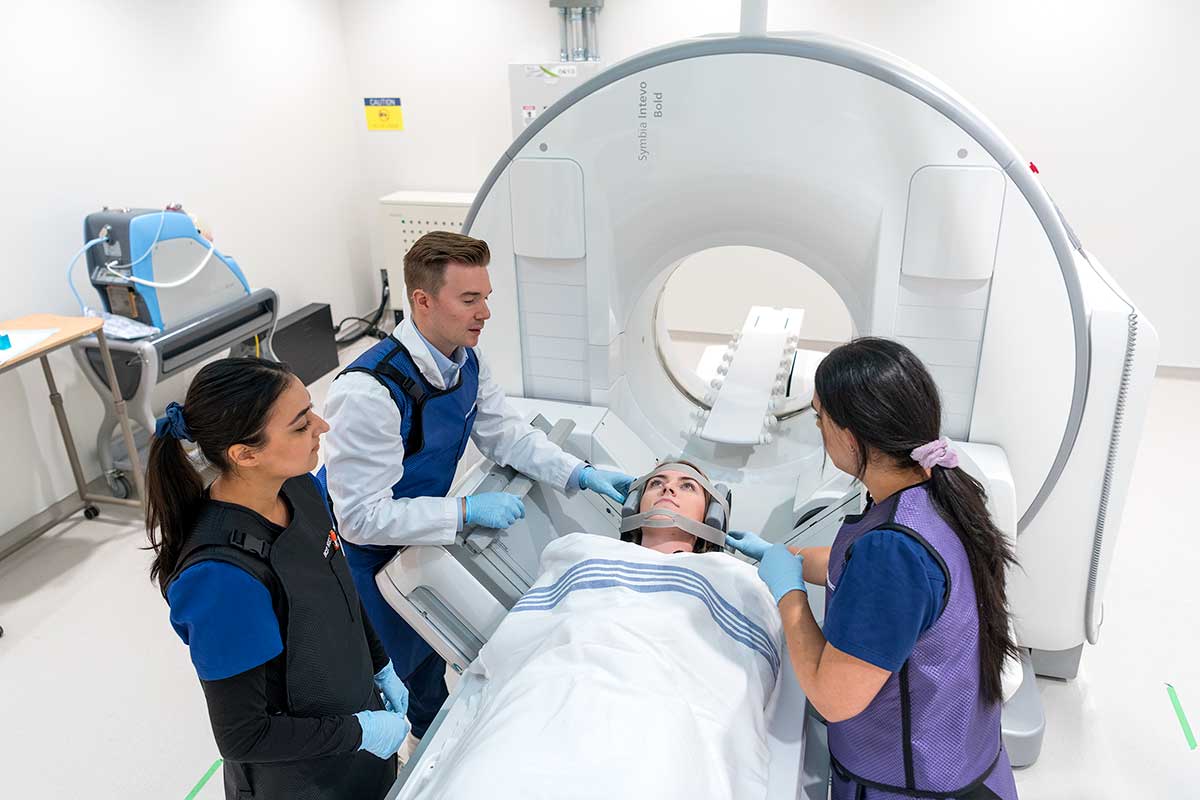
Our grads work in hospital nuclear medicine departments, performing diagnostic imaging for a diverse group of patients. It’s a challenging, hands-on environment. We make sure you graduate with everything needed to thrive and provide the best diagnostic procedures and patient care possible.
Career opportunities
Grads write the Canadian Association of Medical Radiation Technologists (CAMRT) certification exam to earn their Registered Technologist Nuclear Medicine (RTNM) designation.
Nuclear medicine grads can find work as nuclear medicine technologists in the field of medical radiation sciences. Annual full-time salaries start at approximately $68,000. Our grads support patients from all walks of life in various stages of health, including patients who:
- Are hospitalized or bedridden
- Range in ages from infant to seniors
- Are in various stages of disease diagnosis and treatment
Keep learning
Enhance your education through post-diploma part-time studies in Health Leadership, Radiation Therapy, or Magnetic Resonance Imaging.
Graduate employment outcomes
The BCIT student outcomes report presents summary findings from the annual survey of former students administered by BC Stats one to two years after graduation. These reports combine the last three years of available results for the 2022-2024 BCIT Outcomes Surveys of 2021-2023 graduates and for Degree 2020-2022 graduates. The reports are organized into three-page summaries containing information on graduates’ labour market experiences and opinions regarding their education. More detailed information can be accessed at the BC Student Outcomes website.
To view these results, you may need to have the Adobe Acrobat Reader installed in your Web browser.
Professional associations
Graduates of the BCIT program are eligible to take the national professional certification examination set by the Canadian Association of Medical Radiation Technologists. Successful candidates may use the designation Registered Technologist Nuclear Medicine (RTNM) and work as registered nuclear medicine technologists anywhere in Canada and in many other parts of the world.
Graduates are also eligible to take professional certification exams offered in the United States by the Nuclear Medicine Technology Certification Board (NMTCB) and the American Registry of Radiologic Technologists (ARRT).
Faculty, Advisors & Staff
The Nuclear Medicine faculty are known for their skills, expertise, and dedication to student learning. Our instructors are all CAMRT certified technologists and many remain active in the profession.
Thomas Wong, BSc, RTNM
Program Head, Nuclear Medicine
Tel: 604-456-8138
Email: Thomas_Wong@bcit.ca
More about Thomas Wong
Work Experience
Thomas has been a faculty member with the nuclear medicine program since 2013. Prior to joining BCIT, he worked as a full-time nuclear medicine technologist at Burnaby Hospital, where he briefly served as the clinical student supervisor.
Education
Thomas graduated from the BCIT Nuclear Medicine Program in 2007. In addition to his diploma in nuclear medicine, he has a BSc in Cell & Molecular Biology from Simon Fraser University (2004), full-practice CAMRT membership and certification in nuclear medicine (since 2007), and is currently working towards his provincial instructor diploma in adult education from Vancouver Community College.
Publications & Accomplishments
Thomas was the recipient of the Bristol-Myers Squibb Award for Proficiency in Radiopharmacy in 2007. His professional contributions include guest speaker presentations at the 2011 BCAMRT Annual General Conference (Dual Isotope Parathyroid Imaging) and the 2018 CANM/CAMRT Joint Annual Conference (Cardiac Image Enhancement).
Other
Thomas’ most important goal as an instructor is to help students achieve clinical competence through the development of critical thinking and decision-making skills. He loves to use active and experiential learning in his classroom to give students the opportunity to apply their knowledge. During his spare time, Thomas enjoys cooking new recipes, playing badminton and ball hockey, and spending time with his family and friends.
Izaaz Badshah, BSc, RTNM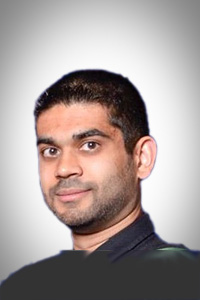
Program Head, Nuclear Medicine
Tel: 604-453-4035
Email: izaaz_badshah@bcit.ca
More about Izaaz Badshah
Work experience
Izaaz Badshah is an instructor in the Nuclear Medicine program, as well as practicing Nuclear Medicine Technologist (RTNM) and Radiation Safety Officer (RSO). He has worked in various roles within the Lower Mainland (Radiation Safety Specialist, Radiation Safety Coordinator and Instructional Designer) as well as in quality improvement (Member of Diagnostic Accreditation Program).
Education
Izaaz graduated from this program in 2014, having previously completed a Bachelor’s of Science in Cell Biology and Genetics from the University of British Columbia in 2011.
Other
In his downtime, Izaaz enjoys hiking, running and playing board games.
Rebekah Bahr, RTNM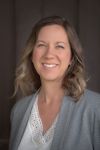
Instructor, Nuclear Medicine
Tel: 604-432-8303
Email: rebekah_bahr@bcit.ca
More about Rebekah Bahr
Work and Volunteer Experience
Rebekah joined BCIT faculty in 2024 with over 25 years of experience in PET/CT, having 20 years of practice in Molecular Imaging and Therapy at BC Cancer-Vancouver. Originally trained on PET scanning in Portland, Oregon, Rebekah has seen Molecular Imaging and Theranostics emerge and evolve into the exciting, high demand field it is today. Rebekah is passionate about sharing her Nuclear Medicine knowledge and skills with others. She has been Student Coordinator for most of her career and recently had an opportunity to volunteer and teach with RAD-AID International in Nairobi, Kenya. Rebekah is an active volunteer with the CAMRT, where she is currently Chair of the CT Imaging Certificate Committee.
Education
Rebekah graduated from the BCIT Nuclear Medicine Program in 1998. She has taken many additional courses, holding the Academic Equivalent to a Bachelor of Science Degree in Nuclear Medicine, with a specialization in Clinical Instruction from the Fielding Institute. Rebekah is currently taking BCIT part time studies to obtain her Associate Certificate in Polytechnic Teaching.
Publications and Accomplishments
Rebekah’s professional contributions include several guest speaker presentations on PET imaging. She also authored JNMT case study “The effects of Vitamin C in FDG PET Imaging” in 2015 and has co-authored several other peer-reviewed papers. Rebekah’s team at BC Cancer was the recipient of the 2021 Research Challenge, where the group learned how to demonstrate research and knowledge translation from their evidence-based practice. In 2021, Rebekah was also awarded both the Excellence in Nuclear Medicine, and Excellence in Teaching Awards from CAMRT-BC.
Joe Cortese, BSc, CRPA (R)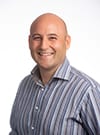
Instructor, Nuclear Medicine
Tel: 604-451-6993
Email: Joe_Cortese@bcit.ca
More about Joe Cortese
Work experience
Joe has been a faculty member with the nuclear medicine program since 2008. Prior to joining BCIT, he worked at the British Columbia Cancer Agency as a Medical Physics Assistant where he was integral part of a team implementation and designing the Quality Control Program for Linear Accelerators, CT simulators, a Cobalt Teletherapy Unit, and X-Ray Simulator.
Education
Joe received his BSc in Physics from the University of British Columbia in 1999. Joe is a Registered Radiation Safety Professional and received his CRPA(R) designation from the Canadian Radiation Protection Association in 2010.
Other
Joe is a highly sought after radiation safety instructor in Canada. His training courses consistently receive high ratings and excellent reviews. Joe has been designated an Industry Services trainer for Radiation Safety Officer Courses and Transportation of Dangerous Goods-Radioactive Materials. He has provided instruction of radiation safety to nuclear medicine departments, cancer care centers, fire fighters, laboratories, radiation therapy and occupational health and safety sectors.
Bryce Gillman, BSc, RT(NM), CT, PET/CT, CRPA(R)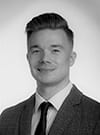
Instructor, Nuclear Medicine
Tel: 604-456-8118
Email: bgillman@bcit.ca
More about Bryce Gillman
Work experience
Bryce Gillman has been a faculty member with the Nuclear Medicine Program at BCIT since 2015. Prior to joining the BCIT team, he worked as a registered technologist in nuclear medicine at a number of different hospitals in the greater Vancouver area. When he is not teaching, Bryce still picks up shifts regularly in a casual position at BC Cancer Agency in the PET/CT department, as well as in the CT department at Burnaby Hospital and Nuclear Medicine department at Royal Columbian Hospital.
Education
In addition to receiving his diploma in nuclear medicine from BCIT, Bryce has completed advanced diplomas in CT and PET/CT through the CAMRT. He also has a BSc. in Kinesiology from Simon Fraser University. He plans to complete his Master’s Degree in Radiation Health Physics in the near future.
Bryce is also a Registered Radiation Safety Professional (RRSP) – successfully completing his CRPA(R) designation from the Canadian Radiation Protection Association in 2017. In this role, Bryce has worked with a variety of medical and industrial clients across Canada in both radiation and laser safety. He has performed risk assessments for high powered lasers, conducted audits and developed customized laser and radiation safety manuals. He has had a great deal of experience in the management and safe handling practices of ionizing and non-ionizing radiation in these roles.
Other
As an instructor, Bryce loves to share his knowledge and passion for nuclear medicine. He was a presenter at the EANM Annual Congress in Barcelona earlier this year and has previously been a speaker at last year’s CANM/CAMRT Joint Annual Conference presenting on CT dose reduction strategies. He believes in the value of continued professional development and life-long learning. Where possible, Bryce tries to nurture curiosity from students and encourages them to be engaged in their own learning process. When he has spare time, Bryce enjoys hiking, skiing and cycling- taking advantage of the great landscape of British Columbia.
Andre Ho, BHSc, RTNM, RTMR, CRPA (R)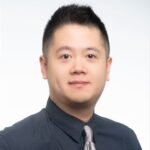
Instructor, Nuclear Medicine
Tel: 778-503-2443
Email: andre_ho@bcit.ca
More about Andre Ho
Work Experience
Andre has been a faculty member with the Nuclear Medicine program since August of 2024. Prior to joining BCIT, he worked as a registered technologist in Nuclear Medicine at a number of different hospitals in the greater Vancouver area for 5 years. Most recently, he worked as the Regional Radiation Safety Officer for lower mainland Nuclear Medicine sites. In addition. Andre is also a registered technologist in magnetic resonance imaging and worked at St. Paul’s Hospital.
Education
Andre graduated from the Nuclear Medicine program at BCIT in 2017. In addition to his diploma in Nuclear Medicine, he has a Bachelor of Health Sciences with an MRI specialization in 2022 from BCIT. Furthermore, Andre is a Registered Radiation Safety Professional and received his CRPA(R) designation from the Canadian Radiation Protection Association in 2023.
Other
Andre’s favourite thing about teaching is seeing how the students grow over time and to see them progress. Outside of his professional pursuits, Andre is an accomplished table tennis player. He has exhibited exceptional skill in this sport, having proudly represented Canada at the 2012 London Olympic Games in both the Men’s Singles and Men’s Team events.
Heather Hughes, BA, RTNM, CBDT, CT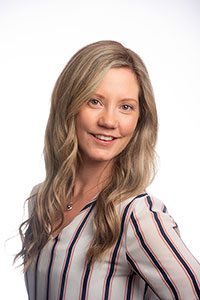
Instructor, Nuclear Medicine
Tel: 604-451-7170
Email: hhughes10@bcit.ca
More about Heather Hughes
Work Experience
Heather has been a faculty member with the Nuclear Medicine depardtment since 2017. She also continues to work at St. Paul’s Hospital as a Nuclear Medicine Technologist and Bone Densitometrist where she has worked since 2006.
Education
Heather graduated from BCIT with a Diploma of Nuclear Medicine and became CAMRT certified in 2006. In addition to her diploma, Heather has a Bachelor of Arts Degree in Psychology Honours Program from UBC (2003), a certificate in Computed Tomography from BCIT (2011), and she is certified in bone densitometry with the ISCD (2008).
Research and Publications
Journal of Neuroscience 2006: “Deletion of the Nuclear Receptor Nr2e1 impairs Synaptic Plasticity and Dendritic Structure in the Mouse Dentate Gyrus”.
Special Interests
Heather’s most important goal as an instructor is to share her passion for Nuclear Medicine with future technologists so that they can continue to have one of the most satisfying professions around. She often jokes that Nuclear Medicine is “The best job you’ve never heard of!” and that starts with the eager graduates entering the workforce with the skills and experience that BCIT provides. When Heather is not working, she can usually be found outside hiking, camping, or exploring nature with her family.
Hayley Olson, BSc, RTNM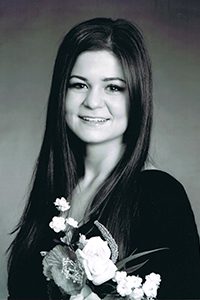
Instructor, Nuclear Medicine
Tel: 604-451-6738
Email: hayley_olson@bcit.ca
More about Hayley Olson
Work Experience
Hayley joined the Nuclear Medicine Faculty at BCIT in 2021. She continues to work as a registered Nuclear Medicine Technologist at multiple hospitals in the lower mainland, as well as at the BC Cancer Agency Vancouver Center as a PET/CT Technologist. Her current work experience in the field is an asset to the students at BCIT.
Education
Prior to attending BCIT, Hayley obtained a Bachelor of Science Degree from UBC Vancouver. Through her academic career, Hayley has received multiple scholarships and awards, most recently at BCIT she received the prestigious Governor General’s Award. Since completing her Nuclear Medicine Diploma, she has continued her education by taking Radiation Safety courses and Clinical Instructor workshops. While Hayley has worked as a tutor for many years at both UBC and BCIT, she plans to pursue a Provincial Instructor Diploma now that she is taking on a permanent teaching role.
Other
From a young age, Hayley has been heavily involved in volunteer efforts. Most recently, her volunteering has been with her professional association, The Canadian Association of Medical radiation Technologists (CAMRT). She holds a position on the CAMRT-BC Advisory Council, is a Site Ambassador for Abbotsford Regional Hospital, is the Chair of the Nuclear Medicine Program Committee for the 2022 CAMRT Annual Conference, and has worked with the Exam Validation Committee for the CAMRT Nuclear Medicine Certification Exam. When not working or volunteering, Hayley enjoys spending time with her friends and family, traveling, hiking, baking, and reading.
Louise Rimanic, RTNM
Instructor, Nuclear Medicine
Tel: 604-451-7030
Email: Louise_Rimanic@bcit.ca
More about Louise Rimanic
Work experience
Louise Rimanic has been a faculty member with the nuclear medicine program since 1998. Louise graduated with distinction from the BCIT Nuclear Medicine Technology Program in 1981. Prior to joining BCIT, Louise worked as a Chief Technologist and Student Supervisor at B.C.Children’s Hospital for 17 years. Louise tries to teach by example and hopes to inspire students to become active members of their profession and adopt a lifelong enthusiasm for learning. For her contributions to the profession, Louise has been awarded the WQ Stirling Award, the Marshall Mallett Lamp of Knowledge and the CAMRT President’s Medal. In her spare time, Louise enjoys cycling, gardening, travelling, and supporting soccer.
Subscribe
Sign up to receive updates, invitations to events, and information about BCIT and your program.
We promise not to spam you, we won’t share your personal information, and you can unsubscribe at any time.
Programs and courses are subject to change without notice.