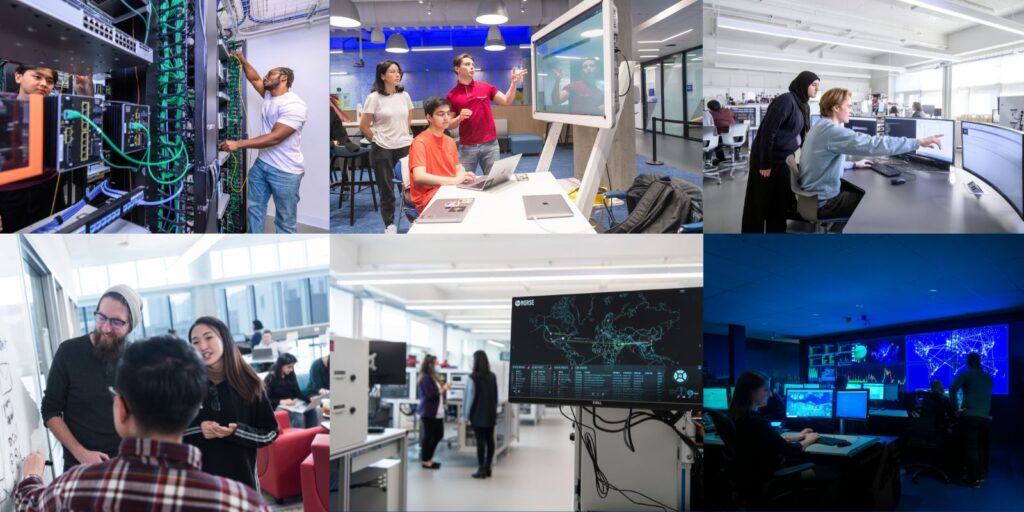
Cybersecurity is no longer a niche specialty—it’s essential to every industry. From protecting financial systems and healthcare records to safeguarding industrial infrastructure and public services, organizations across BC and beyond are seeking skilled professionals who can anticipate threats and defend against them.
According to the Canadian Centre for Cybersecurity, the demand for cybersecurity professionals continues to increase—both in Canada and globally. Millions of cybersecurity roles remain unfilled worldwide.
If you want to build a career in cybersecurity, the British Columbia Institute of Technology (BCIT) offers industry-focused, hands-on training to equip you with the practical skills employers are looking for. Whether it’s ethical hacking, digital forensics, or network security, you can choose flexible learning options ranging from microcredentials to graduate degrees.
Computing fundamentals: The backbone of cybersecurity practice
If you’re new to computing or looking to build core technical skills before specializing in cybersecurity, BCIT Computing diplomas are a strong starting point.
The Computer Information Technology (CIT) Diploma and Computer Systems Technology (CST) Diploma provide hands-on training in programming, networking, systems administration, and software development—skills that form the backbone of cybersecurity practice.
After completing a diploma, you can ladder into a bachelor’s degree with a focus on security. The Bachelor of Science in Applied Computer Science (Network Security Applications Development Option) and the Bachelor of Technology in Forensic Investigation: Digital Forensics and Cybersecurity deepen your expertise in secure software development, network defense, and investigative techniques used to respond to cyber incidents.
For those looking to advance further, the Master of Science in Applied Computing offers interdisciplinary, applied research opportunities that prepare graduates to lead innovation in technical and strategic roles.
Digital forensics and cybersecurity
If a career in forensic investigation appeals to you, and you already hold a diploma, associate degree, bachelor’s degree, or at least two years of post-secondary study in computing or IT, these part-time programs could be a great fit.
The Cybersecurity Essentials for IT Professionals microcredential provides a solid foundation in cybersecurity practices, while the Foundational Digital Forensics Skills microcredential teaches essential investigative techniques. Both offer focused, practical training that can be applied immediately in the workplace.
The Advanced Certificate in Digital Forensics and Cybersecurity allows students to learn at their own pace while gaining technical expertise, investigative skills, legal knowledge, and communication skills. For more in-depth study, the Bachelor of Technology in Digital Forensics and Cybersecurity offers comprehensive training in cybercrime investigation, evidence handling, threat analysis, and security operations.
These programs emphasize applied learning and foundational skills, ensuring graduates gain experience based on real investigative and security challenges.
Cybersecurity for industrial and operational technology
Cyber threats don’t stop at office networks—they also target industrial systems and critical infrastructure. The BCIT School of Energy offers specialized programs in industrial cybersecurity to address this growing need.
Part-time microcredentials such as Cybersecurity Operations, Industrial Networking for Cybersecurity Professionals, and Cybersecurity Analysis for Network Administrators help working professionals develop skills in securing industrial and operational technology environments.
The Industrial Network Cybersecurity Diploma provides interdisciplinary training focused on protecting industrial control systems and critical infrastructure, while students in the Computer Information Systems Administration Diploma develop skills to install, configure, maintain, monitor, and troubleshoot systems and hardware.
Flexible pathways to build cybersecurity skills
BCIT makes it easier to build cybersecurity skills at your own pace. You can explore a wide range of part-time computing courses and forensics microcredentials and workshops. You can also take the Cybersecurity Operations course to build foundational knowledge.
With flexible full-time and part-time options, online or in person, you can choose a pathway that aligns with your goals while gaining practical, job-ready skills.
If you’re ready to protect digital systems, investigate cybercrime, or secure critical infrastructure, BCIT offers hands-on, industry-focused education to help you build a future-proof career in cybersecurity.
Learn more about pathways available at BCIT to support you in a career in cybersecurity.