At BCIT, the IDEAS Lens (Indigenous, Inclusion, Diversity, Equity, Access, Sustainability, and Student Wellbeing) provides a foundation for how we work, collaborate, and relate across the Institute. At its core, it reflects how we show up for one another. It’s our shared commitment to reconciliation, inclusion, and creating supportive, sustainable spaces where people can thrive.
Through the Our People series on BCIT News, we celebrate individuals who help bring these values to life.
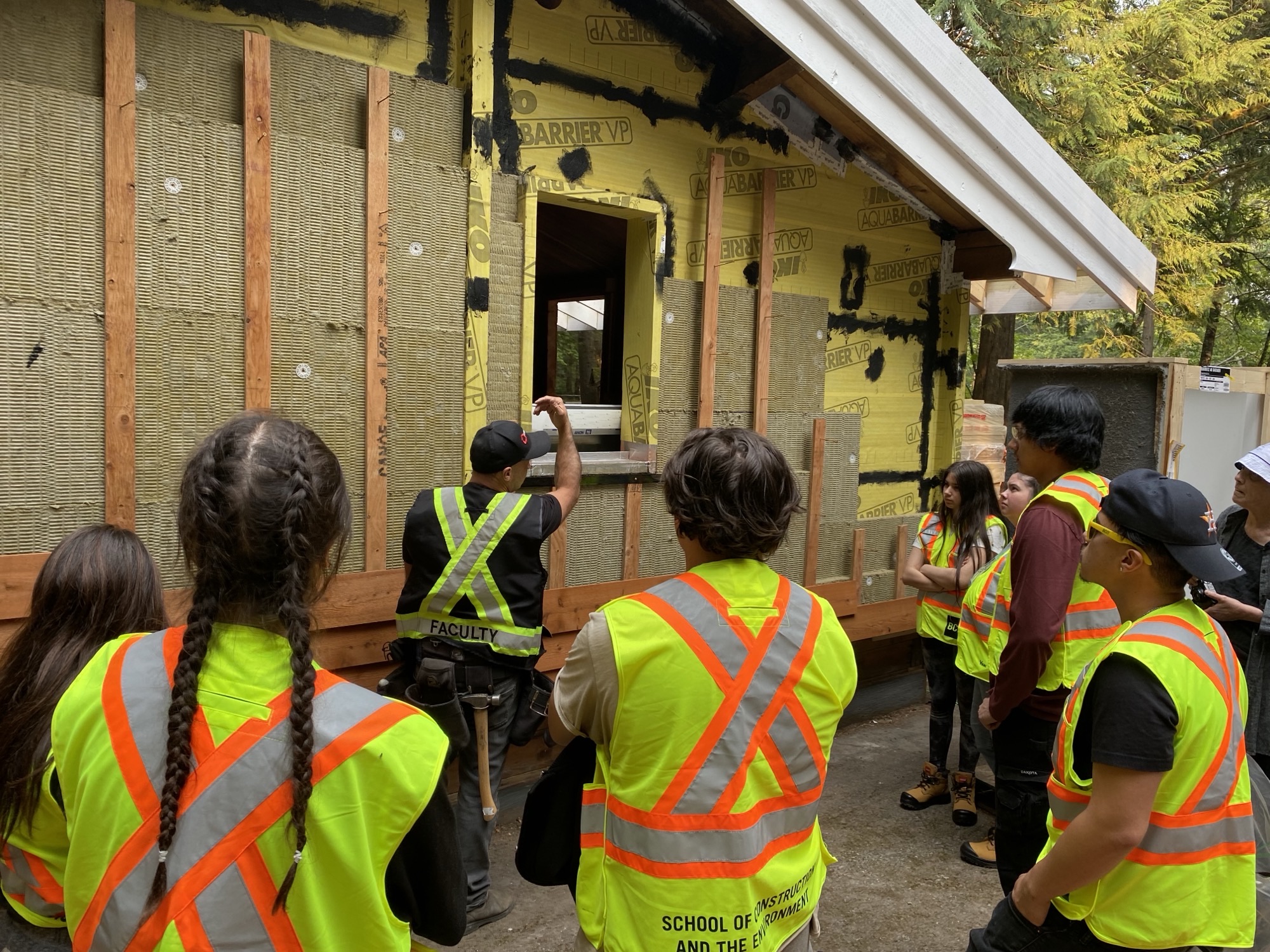
Meet Yuŵlnàqw Cody Brentzen, a member of Hwlitsum First Nation, Lead Instructor at the BCIT Zero Energy and Emissions Building Learning Centre, Carpentry alum, and Red Seal Carpenter. Cody has spent the past seven years helping students, industry professionals, and communities build the knowledge and skills needed to create sustainable, energy-efficient, and healthy buildings. Through his work, Cody brings Two-Eyed Seeing (Indigenous knowledge and Western science) to reimagine housing solutions that benefit all.
What does your role at BCIT entail?
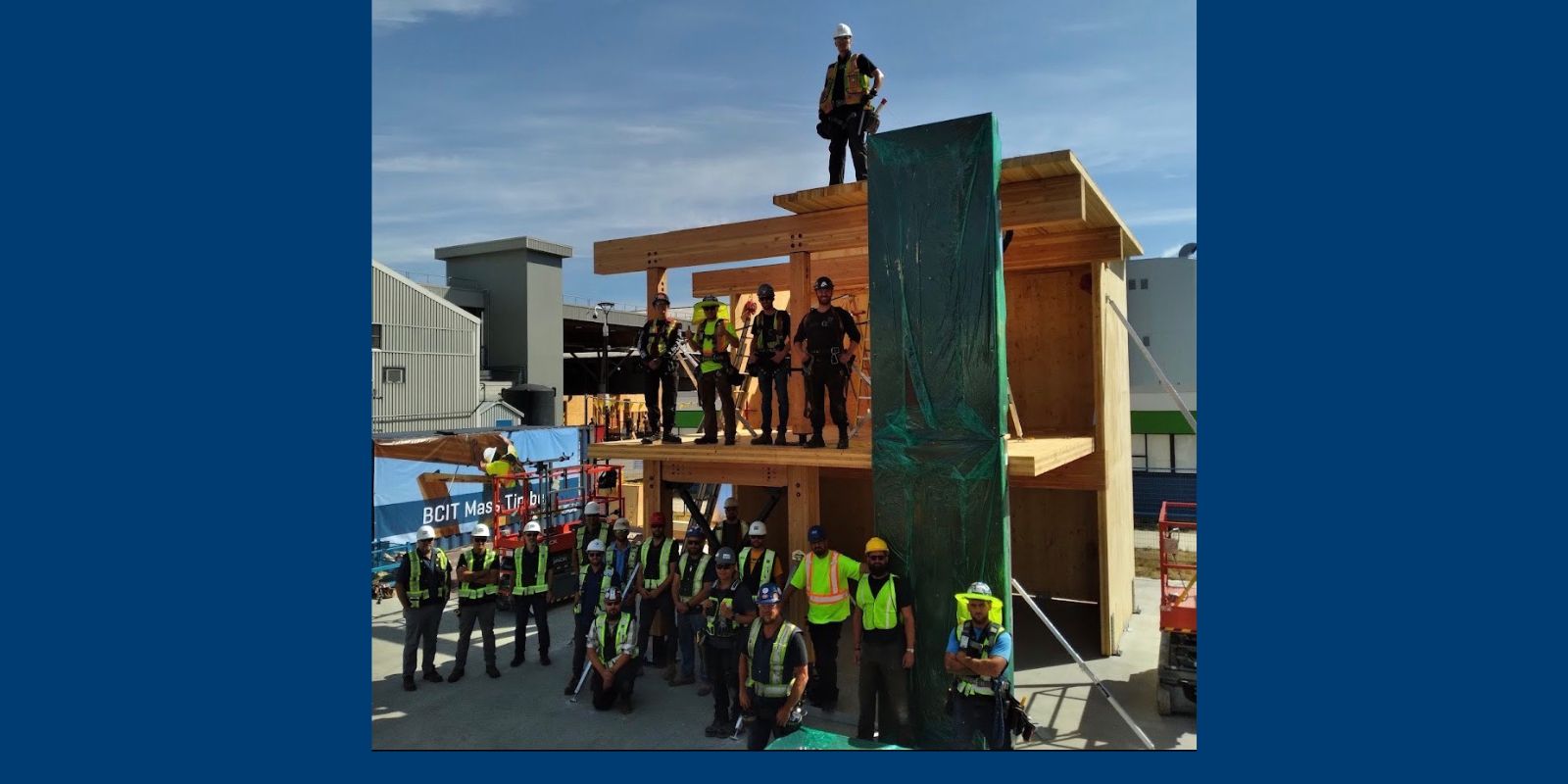
I’ve been working at BCIT for seven years in a diverse role focused on teaching building science and high-performance construction. I deliver hands-on training in net-zero and energy-efficient building practices for students and industry professionals, including engineers, builders, and architects. I also support Level 2 Carpentry students in developing skills aligned with the BC Energy Step Code and to provide a comprehensive overview of building science. As well, I’ve assisted with the development and delivery of the Construction of Mass Timber Structures Associate Certificate program.
Off campus, one of the most rewarding deliveries that I participated in was community training for urban and remote Indigenous Nations across the Province. This was in efforts to promote capacity building for these communities’ unique climate zones and housing needs.
Tell us about your journey.
I completed the Red Seal Carpentry program in 2004 and worked through the leaky condo crisis that developed my understanding of building envelope and building science. With this expertise, I went on to run a custom framing company for the housing boom leading up to the 2010 Olympics.
As I wanted to make an impact on sustainable building practices and was an early adopter of net-zero and passive house standards, I then became a project manager for a custom home builder where the focus was on passive house construction for high-end residential and institutional daycare projects. This pathway led me to the deep energy retrofit project for the Cheakamus Centre in Squamish, where I met Alexandre Hebert and Mary McWilliams (from the BCIT ZEB Team) in 2019. From there, I was given the opportunity to teach Indigenous youth about net-zero energy construction.
Through my relationship with the land, we can reimagine buildings to be sustainable, energy efficient, and healthy. This has aligned my career with my culture for a Two-Eyed Way of Seeing, utilizing Indigenous knowledge and western science to benefit housing for all
What does National Indigenous History Month mean to you? How do you celebrate?
National Indigenous History Month has been an opportunity for awareness and reflection of our shared history. It’s a platform to share our stories as the First Peoples and celebrate Indigenous excellence. To celebrate, Hwlitsum First Nation hosts a community BBQ. As Yuŵlnàqw, my responsibilities include providing salmon for cultural events, harvesting from the waters of the shared Coast Salish Territory where I feel most connected to the land.
Who/what has been a source of strength or guidance in your journey?
My four sons, both biological and chosen, have always been my compass. They keep me humble; in the classroom, I may be a subject matter expert but at home, I’m still dad. I’ve had some amazing mentors along the way that I still turn to. Learning is never finished. Knowing that you are part of something bigger and those before and after you are all connected, pushes me to do my best.
What is one perspective that you’d like to share with colleagues?
The people that I get to work alongside and learn from at BCIT have been so inspirational and helpful. I just really want to share my gratitude to them for providing a ladder for me to climb and share my experiences through representation.
And lastly…
The more we understand each other and the natural environment around us, the farther we can go together.
All my relations, hay čxʷ q̓ə