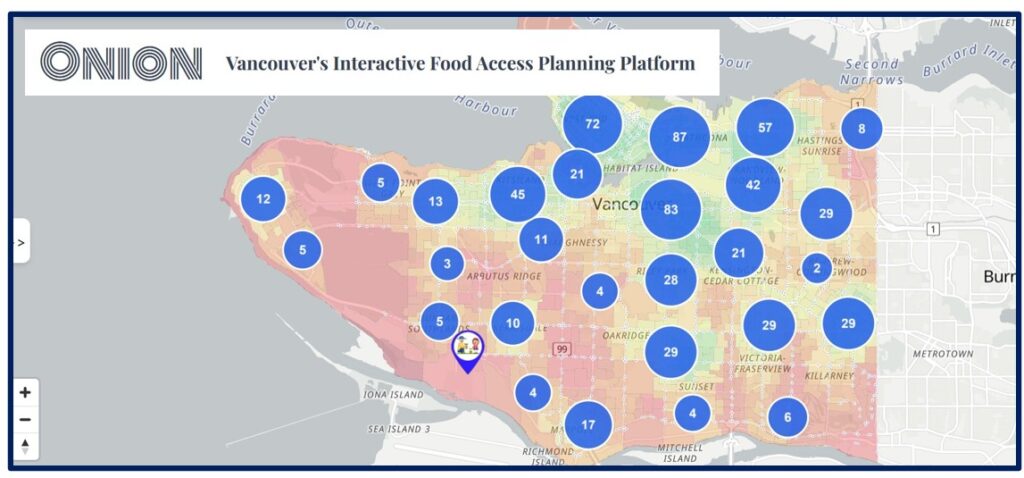
The COMP 2800 Projects course wrapped last week after its annual software development sprint. Over four weeks, 29 teams of Computer Systems Technology Diploma students from two campuses developed end-to-end web applications to address meaningful real-world problems.
The course included coping with unexpected scope additions partway through (just like with a real client!), such as integrating an AI agent to build AI readiness skills. Students adhered to Agile methodology, with a user-centred design focus – this means they identified a kind of person or demographic facing a specific problem. They chose the specific technologies to use, applying the full range of skills learned in the program’s first year, and even new things they learned themselves over the course of the project.
Do you have an idea for a student project? Check out Computing’s Industry Sponsored Student Projects (ISSP)
“Like a hackathon, this project combines energy, focus, and innovation, but with the discipline of industry best practices and a professional Agile process to deliver a high-quality software product,” explained co-lead faculty Marco Ho.
“We tell students: a strong project is not the biggest idea — it is the clearest and most focused idea your team can execute well,” explained co-lead faculty Carly Orr. “A strong team is not the one with the most knowledge — it is the one that communicates, learns quickly, and collaborates effectively.”
City of Vancouver themes: Urban shade and food systems
Aphrodite Bouikidis of CityStudio Vancouver attended the project launch and introduced the two project themes: urban shade and local food systems/security. City of Vancouver staff Katia Tynan and Sarah Hunn, who lead resilience work, also helped brief the students on these real urban challenges and how the City is working to address them.
Urban shade apps could include shade maps or other tools that would help residents or staff manage special activities and outdoor work on hot days.
“With climate change making heat waves and extreme heat more frequent and intense, shade has become more important in public spaces for protection from heat exposure and heat-related stress,” explained Aphrodite.
“Beyond extreme heat events, the city itself creates an urban heat island,” Katia told the students. “And because of our rainy climate, we’ve actually prioritized sunshine access over shade in the past.”
Under the food systems theme, students were encouraged to think about how apps could support or improve food production, processing, storage, distribution, access, consumption, and waste management. The subtopic of food security focuses on access to food, especially for those who are most vulnerable, given affordability or mobility challenges.
“We look forward to your ideas and what you come up with!” Aphrodite said at project kickoff.
Communication skills for software development success
“One of the most important parts of working on a project, even above the scope of the project, is communication,” advised Donna Turner, Associate Dean.
Donna pointed out that the BCIT Computing industry Program Advisory Committee members, drawn from all kinds of organizations and companies – from startups, to government, to anchors like Microsoft and Amazon, always emphasize how much the workplace depends on communication. “We do a lot of teamwork and team communication practice at BCIT, but industry always highlights how essential these skills are, both in landing a first job and in being promoted later.”
Donna also warned the students of the impact of communication tools, and how text interactions can be harder to interpret than face-to-face communication. “Online chat can obscure nuances of tone, or what the speaker meant; so really think about your communication.”
“90% planning and 10% coding”
On presentation day, teams were asked what they would do differently if they were starting again, or what they would recommend to others.
Software development is about a lot more than programming. “Do about 90% planning and 10% coding to ensure proper assessment of user needs before getting too excited and just trying to add a feature,” warned Jake Surrey of team Still Fresh.
“Do not take the planning phase lightly – it is very important!” agreed Ziad Malik, team Foodle.
Others emphasized the importance of setting clear milestones as a group, and pitching in on more deliverables as needed to keep the whole project moving forward. Clear communication was also mentioned, with teams recommending getting on a live call rather than messaging when things got complicated.
Impressive results: Winning projects
Top projects selected by CityStudio judges

Food System and Food Security Winners
- Onion – Layers of food accessibility
- Sprout – Small-space edible gardening
- FoodHubBC – Locating affordable food
Urban Shade Winners
- Shaded – Urban shade improvement potential and advocacy
- VanCooler – Real-time shade finder
- ShadeSafe Vancouver – Real-time heat risk and mitigation
Notable: RouteRelief’s emergency support platform in disasters
People’s Choice Winners
Winner:
- Onion (above)
Runners-up:
- LifeCost – Affordable local food and easy recipes
- Forage Friends – Edible wild food
- VanCooler (above)
Team VanCooler was also recognized as the winner of the Team Spirit Award, with Forage Friends and Pantry Swap as Runners-up.
“We were extraordinarily happy with the work we saw this term,” says Marco. “Not only did the students deliver, each team showed creativity, effort, and growth throughout this four-sprint journey.”
“Team Onion, recognized both by CityStudio and as top People’s Choice, created an interactive map that visualizes food accessibility across Vancouver neighbourhoods using a variety of layers – proximity to grocery stores, community gardens, transit, and so on,” explained Carly. “They even included a simulation mode which helps city planners see how actions such as opening a new grocery store might impact the food security of that region.”
“Onion was inspired by the growing food insecurity crisis affecting Canadian households in recent years,” explained the team members. “Our team wanted to provide Vancouver’s residents and city officials with a tool to visualize food accessibility for specific areas within the City of Vancouver and demonstrate how new developments in the city could affect local residents.”
Give them something to talk about
“A project like this is a learning experience in problem solving,” explained Carly.
“A lot of teams emphasized the importance of planning,” said Marco. “This goes to show how critical planning is in software development – the actual coding piece is comparatively small next to the range of planning and problem-solving activities.”
“It even gives students something to talk about when they go to job interviews – how they learned to overcome challenges and then incorporate those skills in their approach thereafter,” concluded Carly.
Sign up for our quarterly Tech It Out and keep up with the latest from BCIT Computing.
Feature photo: screen shot of Onion app