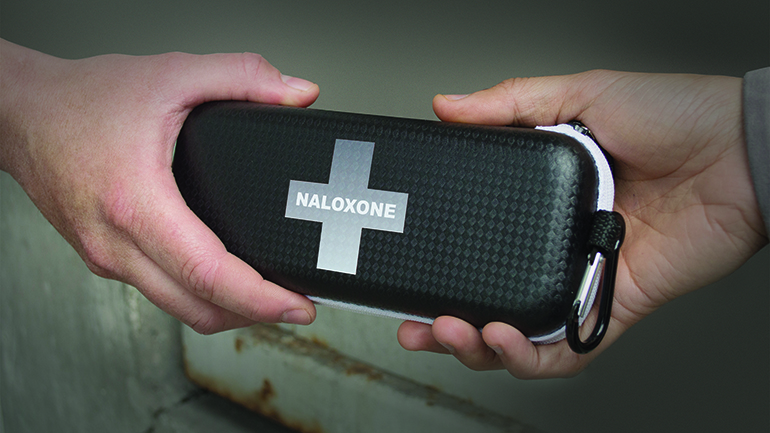
We are sharing an update on the Strategic Plan deliverable, “Expand substance use health education and awareness initiatives for students and employees.” This important work supports our commitment to transform teaching and learning at BCIT.
People with lived and living experience with substance use and addiction are part of the BCIT community. This reality is reflected in the stories we continue to hear from current and former BCIT employees and students whose lives have been affected by substance use and the ongoing toxic drug supply in British Columbia.
Supporting individuals to thrive in their learning, work, and personal lives requires access to substance use health, harm reduction, and recovery resources. Building collective capacity is one way to support people seeking help for themselves or others and to prevent accidental drug poisonings and save lives.
The Healthier Substance Use, Harm Reduction, and Recovery Working Group works collaboratively across departments to enact the Overdose Prevention & Response: Guidelines for BC’s Post-Secondary Sector and implement the BCCDC’s Take-Home Naloxone Program across BCIT’s campuses. Through training, outreach, and access to supports, this deliverable aims to reduce stigma, mitigate barriers to care, and foster a more inclusive campus community.
Continuing from our 2025-2026 deliverables, we have expanded harm reduction supports by training and providing naloxone kits to 406 people. We have also handed out approximately 400 fentanyl test strips and partnered with the Junction and the Burnaby Community Action Team to connect students with community-based recovery resources.
We are currently developing a student-led peer support recovery meeting to launch this fall. This meeting will provide a supportive space for students seeking connection, community, and recovery while exploring their relationship with substance use and other behavioural or process addictions. We are also developing a resource guide for employees to support conversations with students who identify substance use as a concern. This guide will provide practical information on available resources, referral pathways, and trauma-informed approaches that promote wellbeing and the psychological safety for all involved.
Learn more about BCIT’s Overdose Prevention and Response plan or request a Save a Life: Substance Use Health and Naloxone Training for your next departmental meeting.
Thank you,
Amanda Unruh
Health Promotion Strategist, Student Success
Krista Lambie
Senior Director, Student Success
Commitment: Transform Teaching and Learning
Initiatives:
- Holistic student development
- Relevant education and sustainable practices
- Comprehensive student engagement
Deliverable: Expand substance use health education and awareness initiatives for students and employees, including overdose prevention and response, in order to strengthen campus safety, reduce preventable harm, and support student persistence and success.