In Seoul, conversations about trade quickly turned to something else: talent, infrastructure, and the capabilities required to compete globally.
That shift captures where Canada’s trade missions are heading.
For decades, trade missions have focused on exporters, investors, and commercial deals. That model remains important. But as global competition intensifies, long-term success increasingly depends on something more: the ability to develop talent, support innovation, and build institutional partnerships that sustain growth over time.
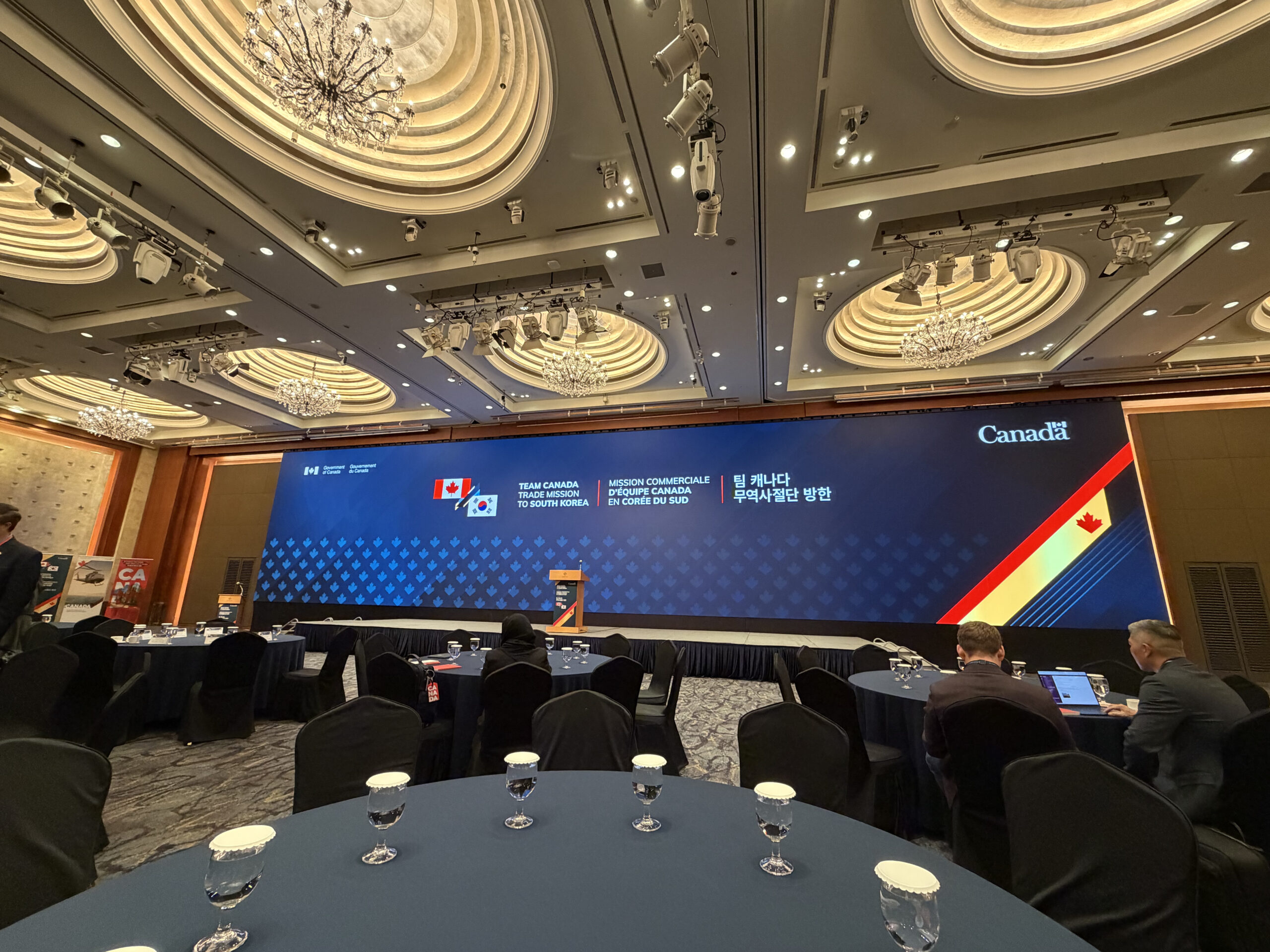
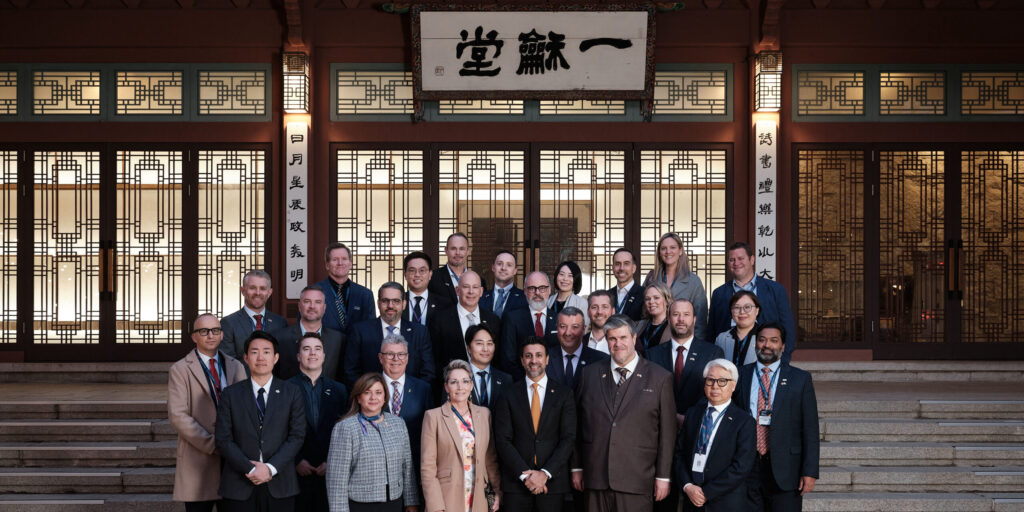
Canada’s recent mission to South Korea, led by Minister of International Trade Maninder Sidhu, demonstrated this evolution in action. Bringing together more than 180 delegates from over 100 organizations, it reflected a coordinated, national approach to engaging one of Asia’s most advanced economies.
It also underscored an important reality: institutions like the British Columbia Institute of Technology (BCIT) are playing an increasingly central role in how Canada advances trade, innovation, and global partnerships—particularly in sectors now central to both economic competitiveness and national security, including defence, energy systems, and advanced technologies.
South Korea: A strategic partner in defence and industrial capacity
South Korea is not simply an export destination. It is a global leader in semiconductors, advanced manufacturing, clean energy, and defence, deeply embedded in international supply chains and increasingly aligned with partners like Canada in strengthening economic and security cooperation.
For Canadian organizations, engagement with Korea offers more than market access. It provides entry into a highly integrated industrial ecosystem where innovation, infrastructure, and talent operate in close coordination.
The Canada–Korea Free Trade Agreement has created strong conditions for growth, with nearly all Canadian exports entering Korea duty-free. But the next phase of the relationship is less about tariffs and more about integration across supply chains, technologies, and workforce capabilities.
To succeed in Korea is to operate within this ecosystem—including those linked to defence and critical infrastructure.
Where institutions like BCIT add strategic value
This is where applied education institutions become essential—not only to economic outcomes, but to broader national priorities.
Institutions like BCIT contribute in ways that directly support both trade and industrial capacity:
- Workforce development: Training talent aligned with sectors such as aerospace, defence systems, energy infrastructure, and advanced manufacturing
- Applied research: Supporting industry through practical problem-solving and technology deployment
- Industry integration: Maintaining close alignment with employers, enabling rapid response to evolving sector needs
These capabilities are especially relevant as Canada strengthens its domestic capacity and aligns with partners on technology, infrastructure, and supply chain resilience.
By participating in the mission, BCIT demonstrated how applied education can complement traditional trade actors—helping translate opportunity into execution.
From engagement to execution: Industry and strategic linkages
Throughout the week in Seoul, Canadian delegates participated in briefings, industry roundtables, B2B meetings, and site visits—gaining insight into both opportunities and operational realities. Several engagements highlighted the intersection of trade, infrastructure, and advanced industry.
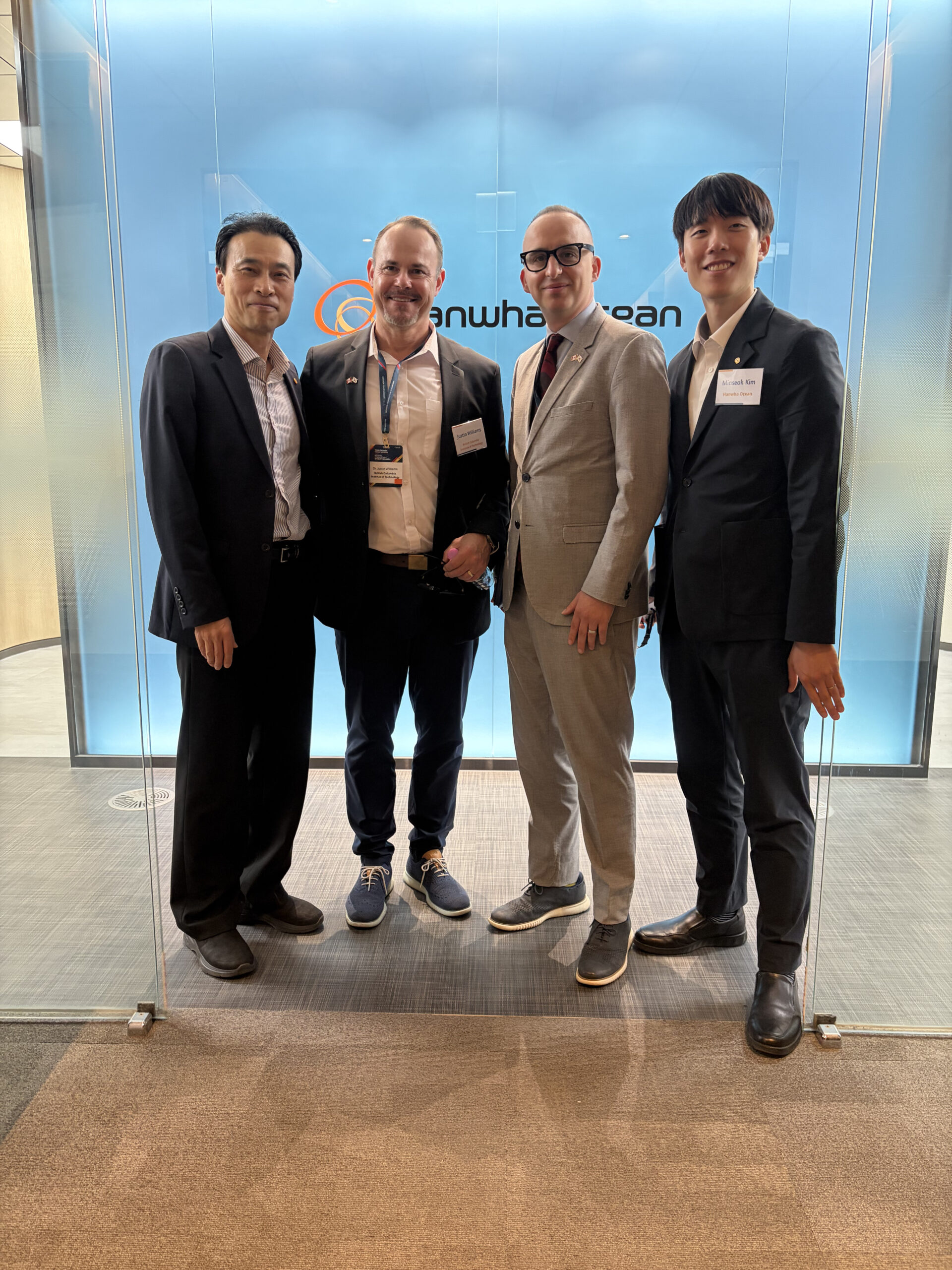
Sessions, including presentations from Hanwha Group and engagement with Hanwha Ocean, provided direct exposure to Korea’s industrial ecosystem, including shipbuilding, defence manufacturing, and energy systems.
Participation in an Executive Roundtable hosted by Export Development Canada (EDC) further grounded the conversation in real-world execution, with senior leaders sharing insights on scaling globally, managing risk, and accessing capital.
Meeting with Samsung C&T Corporation, alongside Skeena Data Centres, focused on large-scale infrastructure and the workforce capabilities required to support economic development in Northern BC.
These discussions highlighted how global competitiveness increasingly depends on the coordination of infrastructure, energy, and talent and the role institutions like BCIT can play in supporting that integration.
For BCIT, these engagements reinforced its role not only as an education provider, but as a partner in developing the workforce and applied capabilities behind complex infrastructure and industrial systems.
Together, these conversations point to a clear conclusion: competitiveness in sectors such as energy, infrastructure, and advanced technology depends on integrated capability—not isolated effort.
Building relationships that matter
Equally important were the relationships formed across government, industry, and institutions.
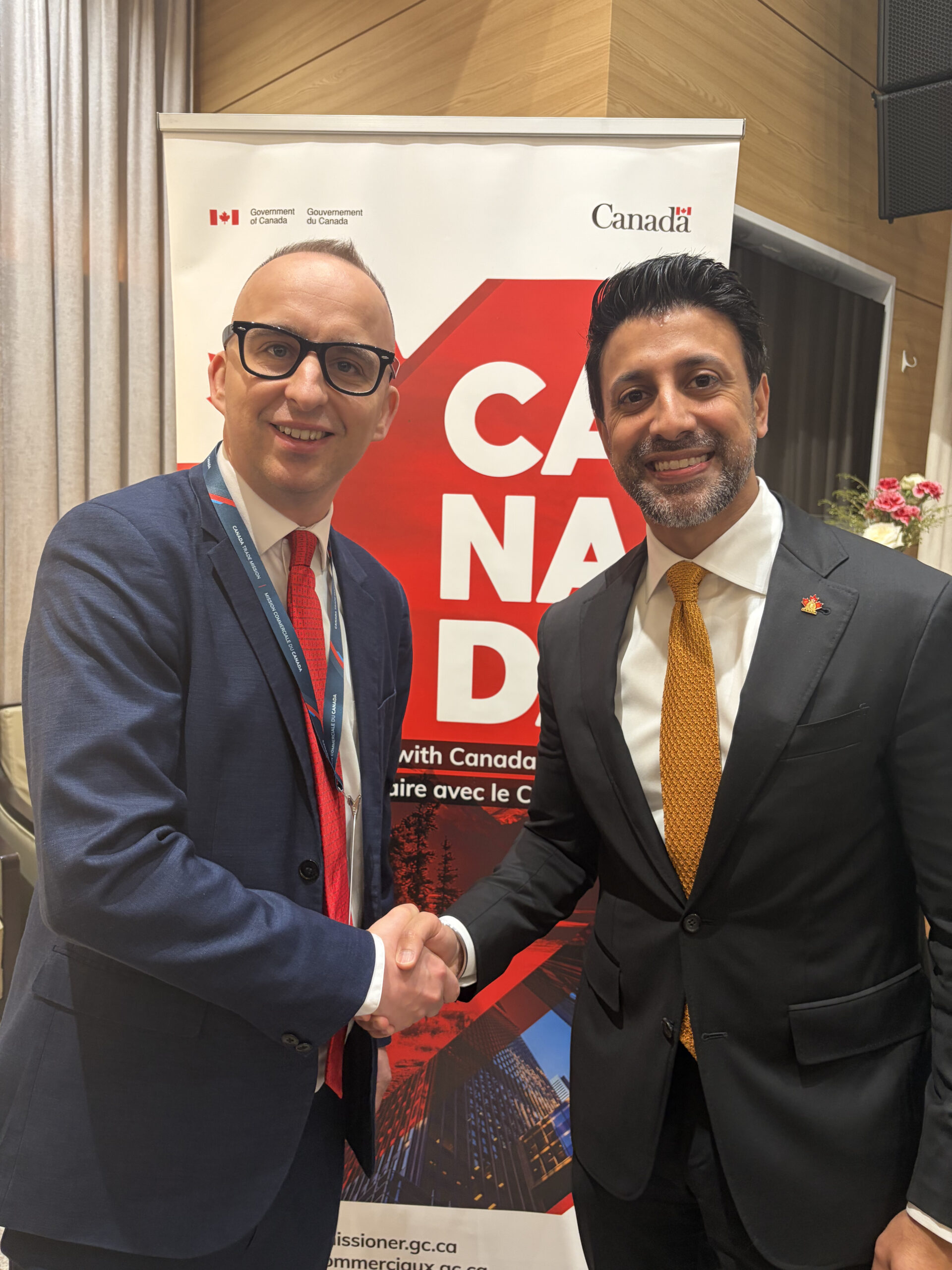
Engagements with Minister Sidhu and Canadian Ambassador Philippe Lafortune reinforced the role of applied education in supporting Canada’s trade and industrial priorities.
Connections with the BC Trade Office in Korea helped anchor BCIT within Canada’s on-the-ground trade infrastructure, ensuring continuity beyond the mission.
Ongoing discussions with partners such as Hanwha Ocean and Samsung C&T Corporation signal potential pathways for collaboration—particularly in workforce development aligned with British Columbia’s economic and industrial priorities.
A coordinated Team Canada approach
One of the strengths of the Korea mission was the level of coordination across Canada’s trade ecosystem.
Global Affairs Canada, the Trade Commissioner Service, Export Development Canada, and Trade & Invest British Columbia worked together to create a structured platform for engagement.
This coordinated approach ensures that:
- Industry, government, and institutions are aligned
- Engagement translates into sustained collaboration
- Opportunities connect to broader national priorities
Institutions like BCIT play a complementary role within this framework, linking talent, applied research, and industry capability to Canada’s global objectives.
From momentum to outcome
As the mission concluded, one message stood out: the most important work lies ahead.
The week in Seoul delivered:
- Strategic relationships
- Deeper understanding of Korea’s industrial ecosystem
- Alignment with sectors critical to Canada’s economic and industrial priorities
The next phase is to build on that momentum.
This includes advancing partnerships, developing workforce training initiatives, expanding applied research collaboration, and supporting industry as it scales into global markets.
For institutions like BCIT, this is where participation becomes impact.
Looking ahead: Trade, talent, and strategic capacity
Canada’s engagement with South Korea reflects a broader shift in how trade is understood and advanced.
Trade is no longer only about goods and services. It is about building the capabilities that enable them—talent, innovation, infrastructure, and partnerships.
The Korea mission demonstrated that when these elements are aligned, Canada is well positioned to compete and collaborate in complex, high-value markets.
It also highlighted that institutions like BCIT have an important role to play. The future of trade will be shaped not only by what countries export but by how effectively they build the capabilities behind it, and how quickly they can put them to work.