Putting people at the core of everything we do is paramount at the British Columbia Institute of Technology (BCIT). We’re proud to be a people-first organization, where employees are supported, valued, and empowered to thrive, both personally and professionally.
Through the Our People series on BCIT News, we celebrate the passion, expertise, and impact of individuals who help shape a better future at BCIT and beyond.
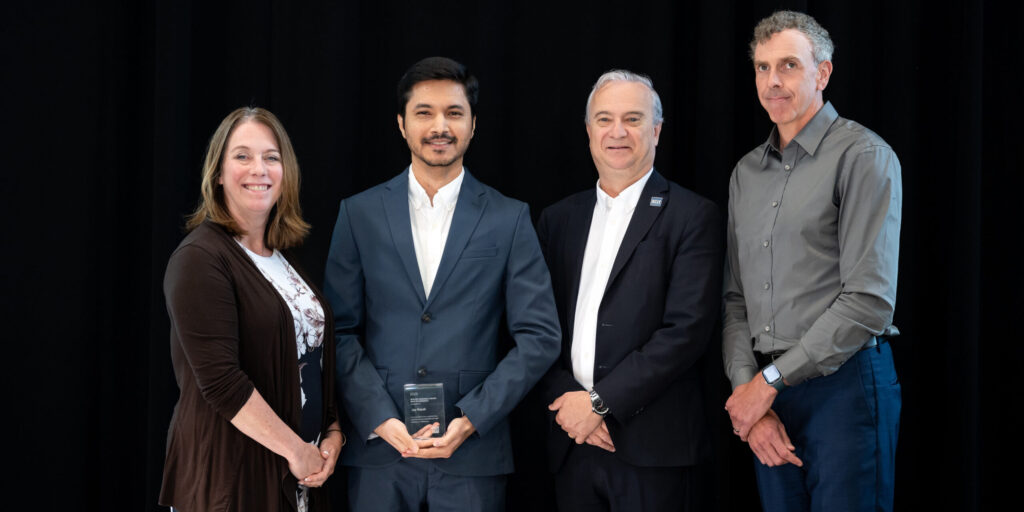
Meet Jay Nayak, Research Associate, Smart Microgrid Applied Research Team, and a BCIT 2026 Employee Excellence recipient in the Applied Research – New to Research category.
What does it mean to you to be a 2026 Employee Excellence Award recipient?
It’s a tremendous honour and something I’m genuinely grateful for. It’s a reminder that the work we do in applied research – bridging real industry problems with practical and deployable solutions – has tangible value. I see this as a reflection of the support and trust I’ve experienced within the Smart Microgrid Applied Research Team (SMART) and across BCIT.
Looking back on the past year, what do you think contributed most to you receiving this recognition?
I think it comes down to staying deeply engaged and focused on delivering research that creates tangible outcomes. Over the past year, I had the opportunity to contribute to several projects involving digital twin technology, cybersecurity, and energy systems, while working closely with industry and utility partners. The City of Penticton project pushed me to be rigorous in ways that mattered, and the digital twin platforms we’ve been building required navigating a lot of technical and operational complexity simultaneously.
Doing that consistently, across multiple projects, is probably what stood out.
Is there a particular project, initiative, or achievement from 2025-2026 that you are especially proud of?
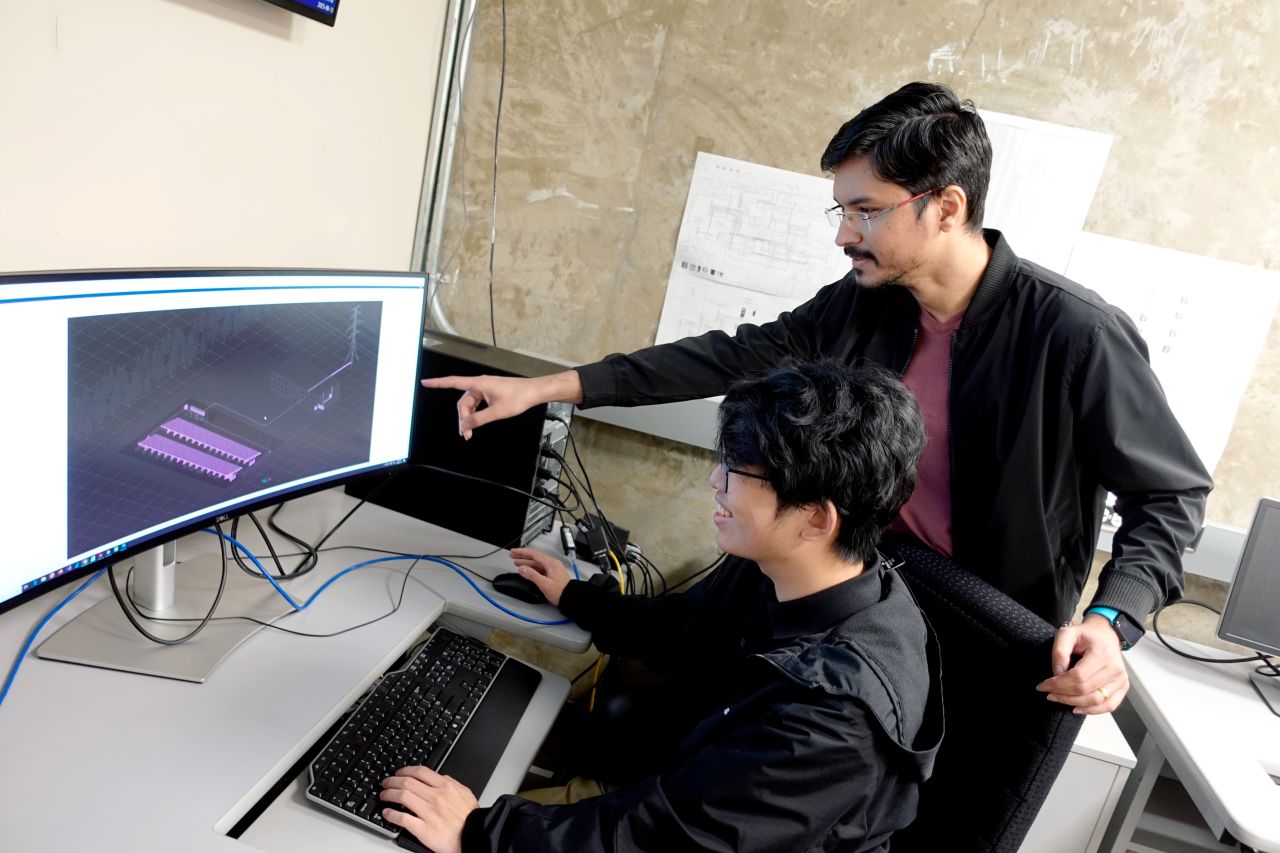
The digital twin platforms we developed this year for OT cybersecurity assessment and for experiential workforce training are what I’m most proud of. These projects brought together several disciplines, including applied research, software and power engineering, and cybersecurity, to create environments where users can safely research, test, learn, and make informed decisions.
Seeing students and industry partners engage with those tools and get real value out of them made the effort worth it.
How have your colleagues or team supported your success over the past year?
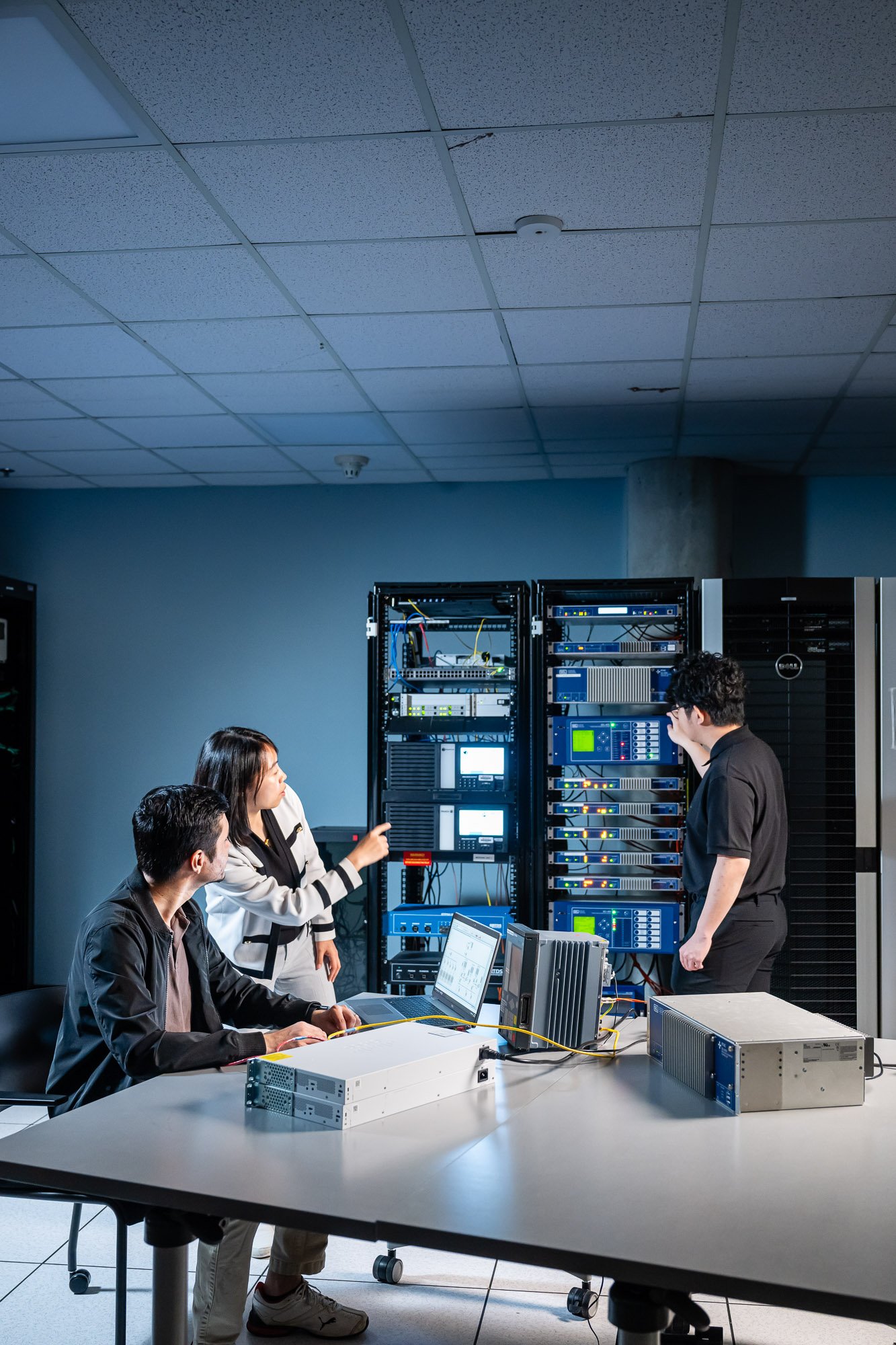
The SMART team has been central to everything; all the team members are inherently collaborative. You’re rarely solving problems in isolation, and I’ve been fortunate to work within a team where people bring both depth and genuine investment in shared outcomes.
Our leadership has also created an environment where ambitious, technically challenging work is not just supported but actively encouraged. That kind of backing makes it possible to take on projects that are harder and more impactful than you’d attempt otherwise.
What aspect of BCIT’s workplace culture has helped you thrive in your role or project?
What stands out most is BCIT’s genuine commitment to applied, real-world impact: it’s not just a stated value, it shapes how projects get resourced and how success gets measured. That alignment between institutional priorities and the kind of work I find meaningful has made a real difference. There’s also an openness to cross-sector collaboration here that’s fairly rare. Working alongside utility and industry partners like BC Hydro and Siemens, while simultaneously supporting student development, feels natural within BCIT’s culture in a way that wouldn’t be possible everywhere.
What’s next for you – any goals, upcoming projects, or aspirations on the horizon?
There’s a lot I’m excited about. On the research side, I’m continuing to advance projects in the areas of digital twin technology, artificial intelligence, and cybersecurity for critical energy infrastructure. In parallel, I’m working on developing custom training and awareness programs designed specifically for Indigenous and underrepresented communities, helping build local capacity around energy systems and cybersecurity.

One of my clearest aspirations is making sure the technical work we do extends beyond research circles and translates into meaningful real-world impact. Applied research at the intersection of digital twins, artificial intelligence, cybersecurity, and energy systems is still an emerging field with enormous potential. There’s a lot of ground to cover, and I’d like BCIT’s SMART team to be recognized as a leading voice in it.